
Medically reviewed by Dr. Rajesh Harripersad, LPC-S, LCDC — U.S. Army Retired; EMDR Certified Behavioral Healthcare Provider. Regional Director, Virtue Recovery and Ambience Recovery Center.
The Prescription That Outstayed Its Welcome
Benzodiazepines — Xanax, Klonopin, Ativan, Valium and their generics — are among the most prescribed drugs in America: 92 million prescriptions in a single year. They work brilliantly for what they're designed for: short-term relief of acute anxiety, panic, and insomnia. The problem is that 'short-term' is where the design ends and real life begins.
In 2020, the FDA required a boxed warning — its most serious — across the entire benzodiazepine class, stating plainly that physical dependence can occur when benzodiazepines are taken steadily for several days to weeks, even as prescribed. Read that again: even as prescribed. Dependence on these medications is not a story about misuse. It's a story about pharmacology doing what pharmacology does.
If that's where you find yourself — needing the pill to feel normal, feeling the edges of withdrawal between doses, watching the dose creep — you haven't failed. You've encountered a known property of the drug. And there is a safe, medical way out.
Dependence vs. Addiction: Which Is This?
The distinction matters, practically and emotionally. Dependence means your nervous system has adapted to the drug — stopping abruptly produces withdrawal. Millions of people taking benzodiazepines exactly as directed are dependent. Addiction adds compulsion: escalating doses beyond the prescription, running out early, obtaining pills from multiple sources, using them to get high or to blunt life rather than to treat a diagnosed condition.
Both situations share one non-negotiable rule — never stop suddenly — and both deserve medical support. The difference is what comes after the taper: straightforward dependence may need little more than a careful step-down and a better plan for the underlying anxiety, while addiction calls for structured treatment. An honest clinical assessment sorts this out; that's exactly what our admissions conversation is for.
Know Your Benzo: Half-Life Changes Everything
Benzodiazepines differ most importantly in how fast they leave the body. Half-life — the time it takes to clear half the drug — determines how quickly withdrawal starts, how sharp it feels, and how a medical taper is designed. Short-acting benzos like Xanax produce quicker, harsher withdrawal that can begin within hours; long-acting ones like Valium start slower and stretch longer.
Common benzodiazepines compared
Approximate elimination half-lives from FDA prescribing information and standard clinical references. Shorter half-life means faster, sharper withdrawal onset.
| Drug (brand) | Generic | Typical half-life | Common prescribed use |
|---|---|---|---|
| Xanax | alprazolam | ~11 hours | Anxiety, panic disorder |
| Ativan | lorazepam | ~12 hours | Anxiety, seizures, pre-procedure |
| Klonopin | clonazepam | ~30–40 hours | Panic disorder, seizures |
| Valium | diazepam | ~20–100 hours (with active metabolites) | Anxiety, muscle spasm, alcohol withdrawal |
Why Benzo Withdrawal Is Genuinely Dangerous
Benzodiazepine withdrawal and alcohol withdrawal share an ugly distinction: they are the two common withdrawal syndromes that can kill. The FDA's boxed warning says it directly — stopping abruptly or reducing the dose too quickly can trigger withdrawal reactions, including seizures, which can be life-threatening.
Beyond seizures, abrupt benzo withdrawal can bring rebound anxiety worse than the original condition, panic attacks, insomnia, tremors, sensory distortions, and in severe cases delirium. A minority of people experience protracted withdrawal symptoms lasting months. None of this is a reason to stay stuck on the medication — it is the reason the way down is a gradual, medically managed taper, never a cliff.
How benzodiazepine withdrawal typically unfolds
Onset varies with the drug's half-life: hours for short-acting benzos like Xanax, days for long-acting ones like Valium. This is why tapers are individually designed.
Hours–days
Onset
Anxiety, restlessness, insomnia, and tremor begin as the drug clears — sooner and sharper for short-acting benzos.
Days 1–4
Escalation
Symptoms intensify. Unmanaged, this is the highest-risk window for seizures after abrupt discontinuation.
Days 5–14
Peak
Rebound anxiety, panic, sweating, sensory sensitivity, and disrupted sleep peak, then begin to ease.
Weeks 2–4
Resolution begins
Symptoms subside gradually. A managed taper aims to make every phase far gentler than this unmanaged curve.
Months (some people)
Protracted symptoms
A minority experience lingering anxiety, insomnia, and sensory symptoms — monitored and treated, not endured alone.
The Deadly Math of Benzos Plus Opioids — or Alcohol
Benzodiazepines rarely kill alone. They kill in combination: 92.7% of benzodiazepine-involved overdose deaths in early 2020 also involved opioids, mostly illicit fentanyl. Both drug types suppress breathing; together the suppression multiplies. People prescribed both opioids and benzodiazepines face roughly ten times the overdose death rate of those on opioids alone — and alcohol stacks the same way.
There's a newer danger, too: counterfeit 'Xanax' pressed with fentanyl, and illicit benzodiazepines whose involvement in overdose deaths surged over 500% in a single year. If pills are coming from anywhere but a pharmacy, the label means nothing. Treatment removes the gamble entirely.
How a Medical Benzo Taper Works
Getting off benzodiazepines safely is a solved clinical problem, and it doesn't involve suffering through cold turkey. The principles: reduce the dose gradually on a schedule your nervous system can follow; in many cases, transition first to a longer-acting benzodiazepine like diazepam so blood levels fall smoothly instead of sawtoothing; monitor and adjust — a taper is a dialogue with your body, not a fixed countdown; and treat sleep, anxiety, and mood actively along the way.
The exact schedule is individual medicine — it depends on which benzo, how much, how long, and your health — which is why we won't publish a one-size-fits-all protocol, and why you shouldn't trust one from a forum. At Ambience, tapers happen inside medically supervised detox with 24/7 monitoring, then step down into the level of care that fits: residential, PHP day treatment, or intensive outpatient.
Treating What the Benzo Was Treating
Here is the question underneath every benzo taper: what happens to my anxiety? It's the right question — most people started these medications for real anxiety, panic, or insomnia, and fear of its return keeps people stuck for years.
The honest answer: anxiety is highly treatable without benzodiazepines. Cognitive behavioral therapy remains the best-evidenced treatment for anxiety and panic; non-addictive medications (like SSRIs) address the underlying condition rather than muting the moment; and skills-based work — exposure, sleep hygiene, stress physiology — builds capacity a pill never did. At Ambience, dual-diagnosis care means the anxiety treatment starts during the taper, not after it, so you're never left facing the original problem empty-handed.
Benzodiazepine Treatment in Central Texas
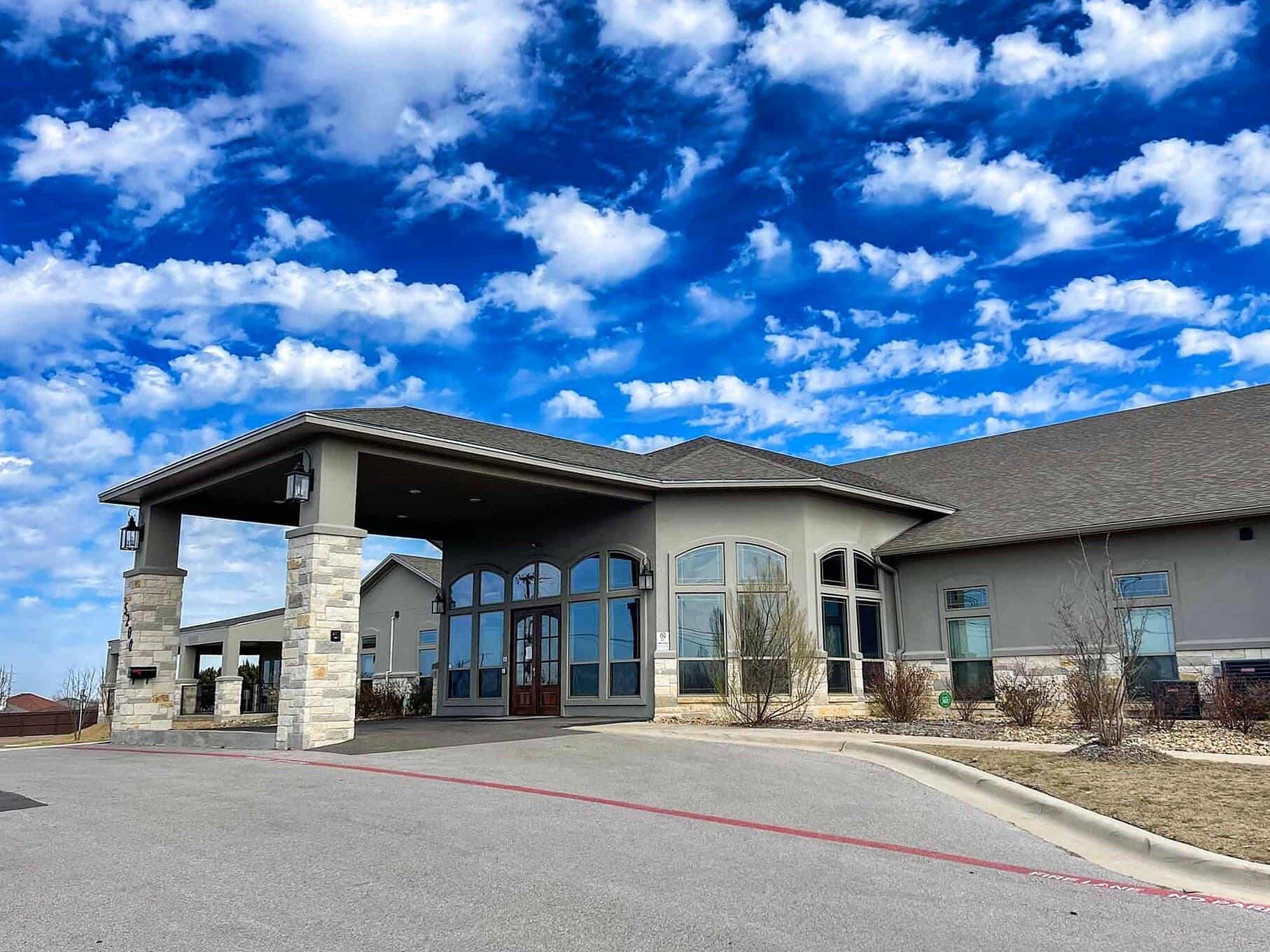
Ambience Recovery Center provides medically supervised benzodiazepine detox and a full continuum of care for adults across Central Texas — Killeen, Harker Heights, Temple, Belton, Copperas Cove, Waco, and the Austin metro, including the Fort Cavazos military community.
Whether your story is a prescription that quietly took over or use that escalated beyond one, the first step is the same: a confidential call. We'll help you understand what a safe taper looks like for your situation, verify your insurance at no cost — including TRICARE questions — and map the next step before you commit to anything.
Sources & Medical References
- FDA Drug Safety Communication — Boxed warning update for the benzodiazepine class (Sept 2020)
- CDC MMWR — Trends in Nonfatal and Fatal Overdoses Involving Benzodiazepines, 2019–2020
- NIDA — Benzodiazepines and Opioids
- FDA — Xanax (alprazolam) prescribing information
- SAMHSA — National Survey on Drug Use and Health
- StatPearls — Sedative, Hypnotic, or Anxiolytic Use Disorder (NCBI Bookshelf)