
Medically reviewed by Dr. Rajesh Harripersad, LPC-S, LCDC — U.S. Army Retired; EMDR Certified Behavioral Healthcare Provider. Regional Director, Virtue Recovery and Ambience Recovery Center.
The New Face of Adderall Addiction: It's Not Who You Think
The stereotype is a college kid cramming for finals. The data say otherwise: misuse among young adults has actually declined in recent years, while stimulant prescribing to adults aged 31–40 grew 240% between 2012 and 2023 — making working-age adults, not students, the largest group taking these medications. Prescriptions to women nearly doubled. Telemedicine made starting easier than it has ever been.
Adderall (amphetamine/dextroamphetamine) is a Schedule II controlled substance — the same legal category as oxycodone — and its FDA label opens with a boxed warning: a high potential for abuse and misuse that can lead to addiction, overdose, and death. That's not fine print; it's the drug's own manufacturer, on page one.
Most adult Adderall problems start legitimately: a real prescription, real benefit, then quiet escalation — an extra half-tab on deadline weeks, early refills, the dose that stopped feeling like enough. If that trajectory sounds familiar, you're not an outlier. You're the demographic.
Dependence vs. Addiction: Where's the Line?
Taking Adderall daily as prescribed produces physical adaptation — tolerance and a crash when it wears off — in a substantial share of patients, and that alone is not addiction. Addiction (stimulant use disorder) is when use escapes the prescription: escalating doses, running out early, sourcing pills elsewhere, using to feel euphoric or to simply function at a level the prescription never promised, and continuing despite consequences.
The honest self-check: is the medication treating your ADHD, or has it become the thing your day is built around? Sleep debt papered over with more stimulant, doses timed to performance rather than prescription, anxiety about supply, personality changes others have noticed. Two or more DSM-5 criteria in a year meets the clinical threshold — and an assessment call costs nothing and settles the question honestly.
Signs of Adderall Addiction
What escalation actually looks like in adults:
- Taking more than prescribed, or finishing the month's supply early
- Getting pills from more than one prescriber — or from friends, coworkers, or online sellers
- Needing the pill to face ordinary work, not just to focus
- Sleep shrinking to a few hours, appetite gone, weight dropping
- Racing heart, jaw clenching, or anxiety spikes — and dosing anyway
- Irritability, paranoia, or in heavy use, hearing and seeing things that aren't there
- Crashes on weekends: sleeping all day, dark mood, dreading Monday's first dose
The Counterfeit Pill Warning
If any of your pills come from outside a pharmacy, this section matters more than the rest of the page. Counterfeit 'Adderall' pressed to look identical to the real thing is widespread, and lab analyses have repeatedly found it contains methamphetamine or fentanyl rather than pharmaceutical amphetamine. DEA testing of counterfeit prescription pills has found that a majority-adjacent share contain a potentially lethal dose of fentanyl — the agency's One Pill Can Kill campaign exists because people die from a single fake tablet.
The practical rule is absolute: no pill from social media, a friend-of-a-friend, or an overseas website is what it claims to be. If shortages or cost pushed you to the gray market, that's a solvable problem — and a conversation our admissions team has had many times, without judgment.
The Adderall Crash vs. Withdrawal — and the Timeline
Amphetamine's half-life of roughly 10 to 13 hours explains the daily crash: as blood levels fall each evening, energy and mood drop with them. Withdrawal is the crash extended across days. The FDA label lists it plainly: dysphoric mood, depression, fatigue, vivid unpleasant dreams, insomnia or oversleeping, increased appetite, and agitation after stopping prolonged use.
Stimulant withdrawal isn't medically dangerous the way alcohol or benzodiazepine withdrawal is — but the depression it brings can be serious, occasionally including suicidal thoughts, which is the clinical reason heavier use deserves monitored detox rather than a solo cold-turkey weekend.
The Adderall withdrawal timeline
3–36 hours
The crash
Deep fatigue and a sharp mood drop as the last dose clears — sleep and appetite surge.
Days 3–5
Intensification
Irritability, depression, and fatigue peak. Mood is monitored closely in this window.
Days 5–7
The fade
Physical symptoms ease; moodiness and difficulty engaging socially linger.
Weeks 3–4
Resolution
Most or all symptoms subside. Concentration rebuilds gradually — the brain recalibrating without the drug.
Source: Clinical literature (StatPearls / psychostimulant withdrawal reviews)
What Actually Treats Stimulant Addiction
The honest baseline first: there is no FDA-approved medication for stimulant use disorder. What the 2024 ASAM/AAAP clinical guideline establishes — with its strongest recommendation grade — is that contingency management is the standard of care: structured, immediate rewards for verified abstinence, the approach with the best results of any intervention studied for stimulant addiction. Around it: cognitive behavioral therapy, motivational interviewing, and community-reinforcement approaches.
At Ambience, that evidence base runs inside our continuum — residential treatment when the pattern needs a full reset, PHP day treatment and intensive outpatient when structure must coexist with work and family — with dual-diagnosis care for the anxiety, depression, and untreated-or-overtreated ADHD that stimulant problems almost always sit on top of.
The Question Nobody Answers: What About My ADHD?
This is the fear that keeps people using long past the point of harm: 'If I stop Adderall, I lose the ability to function.' It deserves a real clinical answer, and the 2024 guideline gives one — ADHD should be treated as part of stimulant-addiction treatment, not ignored and not indefinitely deferred.
In practice that means three things at Ambience. First, honest re-assessment: early recovery clarifies how much was ADHD and how much was the drug — sleep deprivation and stimulant cycling mimic and worsen attention problems. Second, the non-stimulant toolkit: medications like atomoxetine, viloxazine, and guanfacine treat ADHD without abuse potential, alongside the skills, structure, and coaching approaches that work regardless of medication. Third, an honest long-term conversation: for some people in stable recovery, carefully monitored stimulant treatment can eventually be appropriate under guideline-based safeguards — a decision made deliberately with your clinicians, not a door slammed forever. You will not be left to white-knuckle your attention span. That promise is the center of how we treat this addiction.
Adderall Addiction Treatment in Central Texas
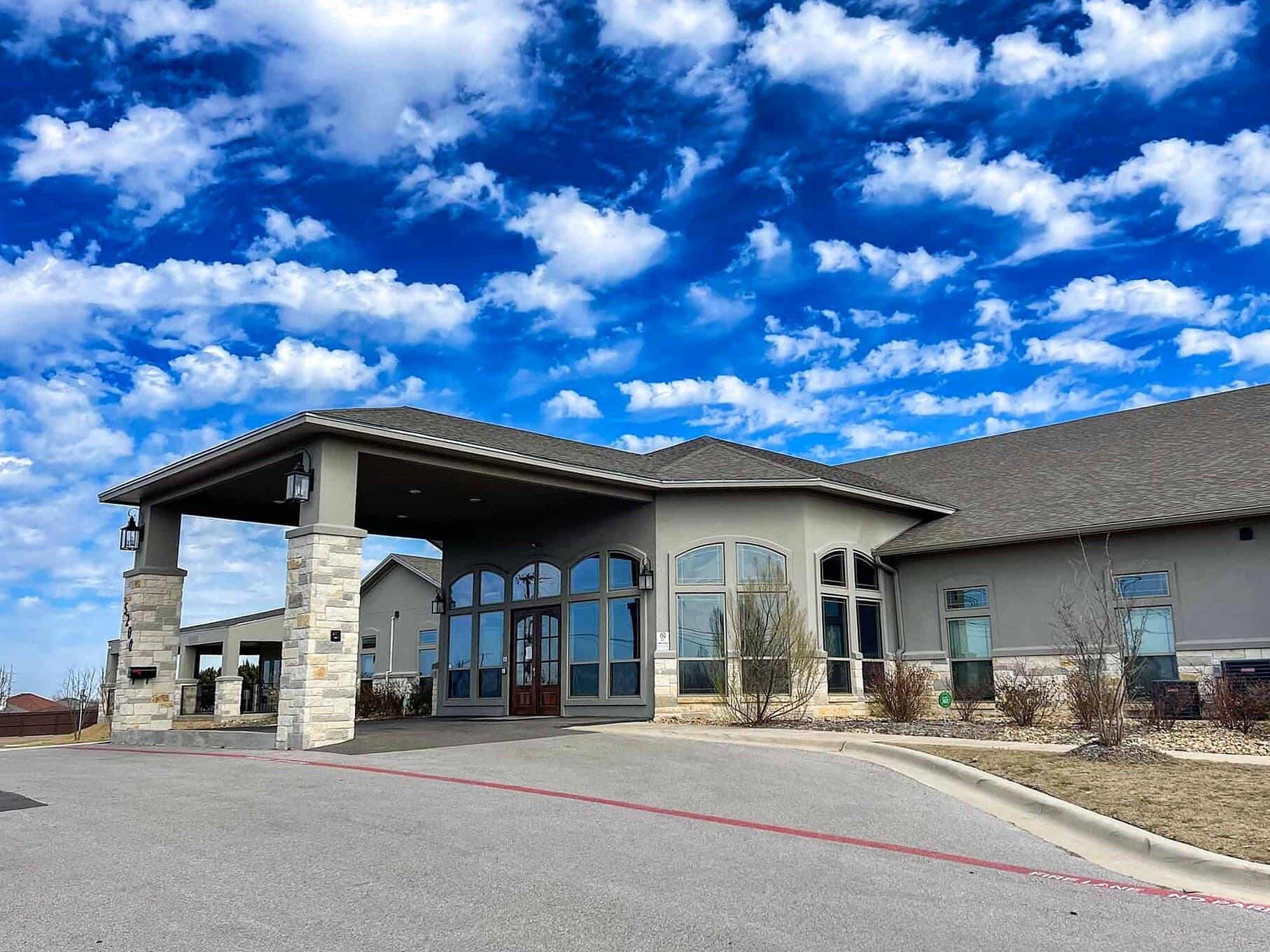
Ambience Recovery Center treats adults across Central Texas — Killeen, Harker Heights, Temple, Belton, Copperas Cove, Waco, and the Austin corridor, including the Fort Cavazos military community, where stimulant questions carry career weight that civilian readers never face. Every call is confidential, and our admissions team can help you understand your options before you decide anything.
If the medication that was supposed to organize your life is now running it, that's the signal. One confidential call gets you an honest assessment and free insurance verification — including TRICARE questions — often with same-day answers.
Sources & Medical References
- FDA / DailyMed — Adderall (amphetamine/dextroamphetamine) prescribing information
- ASAM/AAAP — Clinical Practice Guideline on the Management of Stimulant Use Disorder (2024)
- DEA Diversion Control / IQVIA — Stimulant Prescription Trends in the United States, 2012–2023
- SAMHSA — 2024 National Survey on Drug Use and Health
- DEA — One Pill Can Kill (counterfeit pill campaign)
- FDA — Prescription Stimulant Medications (drug class information)