
Medically reviewed by Dr. Rajesh Harripersad, LPC-S, LCDC — U.S. Army Retired; EMDR Certified Behavioral Healthcare Provider. Regional Director, Virtue Recovery and Ambience Recovery Center.
How Cocaine Addiction Actually Develops
Cocaine hijacks the brain's reward system faster than almost any drug: an intense, short high — 15 to 30 minutes snorted — followed by a drop that whispers one solution. The shortness of the high is the trap. Use naturally escalates from occasional to weekend to daily maintenance, and because cocaine is woven into work culture, nightlife, and celebration, the escalation hides in plain sight.
Five million Americans used cocaine in the past year. Many believe they're in the manageable phase. The clinical markers say otherwise when use continues despite consequences: blown budgets, strained relationships, racing-heart scares, the Sunday depressions, the promises to stop that quietly expire by Friday.
Cocaine use disorder is a recognized medical condition with recognized treatment. Not a moral verdict — a diagnosis with a path out.
The New Danger: Fentanyl in the Cocaine Supply
The most important thing to understand about cocaine in the 2020s is what's mixed into it. Cocaine-involved overdose deaths more than quadrupled between 2015 and 2023 — not because cocaine changed, but because illicit fentanyl entered the supply. Roughly 70% of stimulant-involved overdose deaths now also involve fentanyl. For a cocaine user with zero opioid tolerance, a contaminated line can be fatal the first time.
Deaths have finally begun falling as awareness and naloxone spread — but 'less catastrophic' is not safe. If you or people around you use cocaine, carry naloxone (Narcan). It won't touch the cocaine, but it reverses the fentanyl that may be in it.
U.S. cocaine-involved overdose deaths
The rise tracks fentanyl's entry into the cocaine supply. 2025 figure is a CDC provisional estimate.
Source: NIDA / CDC WONDER; CDC NCHS provisional estimates (May 2026)
Signs of Cocaine Addiction
Cocaine addiction shows up in patterns before it shows up in crises:
- Using more, or more often, than you planned — the gram that was supposed to last a month is gone in a weekend
- Spending beyond your means on cocaine, or borrowing and hiding purchases
- Needing it to socialize, work, or feel confident
- Crash days: depression, oversleeping, and irritability after use
- Nosebleeds, congestion, or sinus problems that don't resolve
- Racing heart, chest pain, or anxiety spikes during use — and using anyway
- Promising yourself limits that keep moving
Cocaine Withdrawal: Short, Sharp, and Deceptive
Cocaine withdrawal is primarily psychological, which fools people into underrating it. There's no flu-like sickness as with opioids — instead the crash brings exhaustion, oversleeping, ravenous appetite, vivid unpleasant dreams, and a mood drop that can reach serious depression, occasionally with suicidal thoughts. That mood risk is the medical reason withdrawal deserves professional monitoring.
The acute phase runs roughly three to five days. The deceptive part comes after: weeks of flattened mood and sudden craving spikes triggered by paydays, weekends, certain friends, certain songs. This protracted phase — not the crash — is where unsupported quit attempts fail, and it's precisely what structured treatment is built to carry people through.
The cocaine withdrawal timeline
First 24 hours
The crash
Exhaustion, long sleep, big appetite, irritability, and the first wave of low mood as dopamine bottoms out.
Days 1–5
Acute withdrawal
Depression, anxiety, vivid dreams, poor concentration, and strong cravings. Mood is monitored closely here.
Weeks 1–2
Early recovery
Sleep and energy begin to normalize. Cravings arrive in waves tied to triggers rather than constantly.
Weeks 3+
The long game
Mood steadily improves as the reward system heals. Relapse-prevention skills and structure matter most in this stretch.
Source: MedlinePlus — Cocaine withdrawal
What Cocaine Does to the Body — and How Treatment Addresses It
Cocaine is uniquely hard on the cardiovascular system: it spikes heart rate and blood pressure while constricting the arteries that feed the heart — the mechanism behind cocaine-related chest pain, heart attacks in young adults, and strokes. Chronic snorting erodes nasal passages and sinuses; smoking crack damages the lungs.
Good treatment takes the medical side seriously. At Ambience, care begins with a full assessment, and the medical concerns cocaine leaves behind — cardiac symptoms, blood pressure, sinus and lung issues, nutrition, sleep — are addressed alongside the addiction itself, coordinated with the clinical team rather than left for 'someday.'
Crack vs. Powder Cocaine: Same Drug, Different Beast
Crack is cocaine processed into smokable rock form. Chemically it's the same drug — but the route changes everything about the addiction: smoking delivers the hit in seconds, the high lasts only 5–10 minutes, and the binge cycle it drives is far more compulsive. Crack addiction typically develops faster and hits harder medically and socially.
Because the addiction pattern, health risks, and recovery challenges differ meaningfully, we cover crack cocaine in its own dedicated guide — if crack is the form in your life, start there.
Powder cocaine vs. crack cocaine at a glance
| Powder cocaine | Crack cocaine | |
|---|---|---|
| Route | Snorted (sometimes injected) | Smoked |
| Onset | 1–5 minutes | Seconds |
| High lasts | 15–30 minutes | 5–10 minutes |
| Binge pattern | Escalating, often social | Rapid, compulsive redosing |
| Addiction development | Gradual escalation | Typically much faster |
Source: NIDA — Cocaine
Treatment That Works for Cocaine Addiction
There is no FDA-approved medication for cocaine addiction — recovery is built on behavioral treatment, and the evidence points clearly at what works: contingency management (immediate tangible rewards for verified abstinence — the strongest results in the stimulant field), cognitive behavioral therapy for the thoughts and triggers that drive use, and motivational interviewing to keep your own reasons for change in the driver's seat.
At Ambience these run inside a full continuum — residential treatment when life needs a reset, PHP day treatment, and intensive outpatient for structure that coexists with work and family — plus dual-diagnosis care, because cocaine so often travels with anxiety, depression, ADHD, and alcohol. One plan, built around your actual life.
How Long Does Cocaine Stay in Your System?
Cocaine itself clears quickly, but its metabolite benzoylecgonine — what drug tests look for — lingers:
Cocaine detection windows
| Test type | Typical detection window |
|---|---|
| Blood | Up to about 2 days |
| Saliva | 1–2 days |
| Urine | 3–5 days after occasional use; up to ~2 weeks after heavy use |
| Hair | Up to ~90 days |
Cocaine Treatment in Central Texas
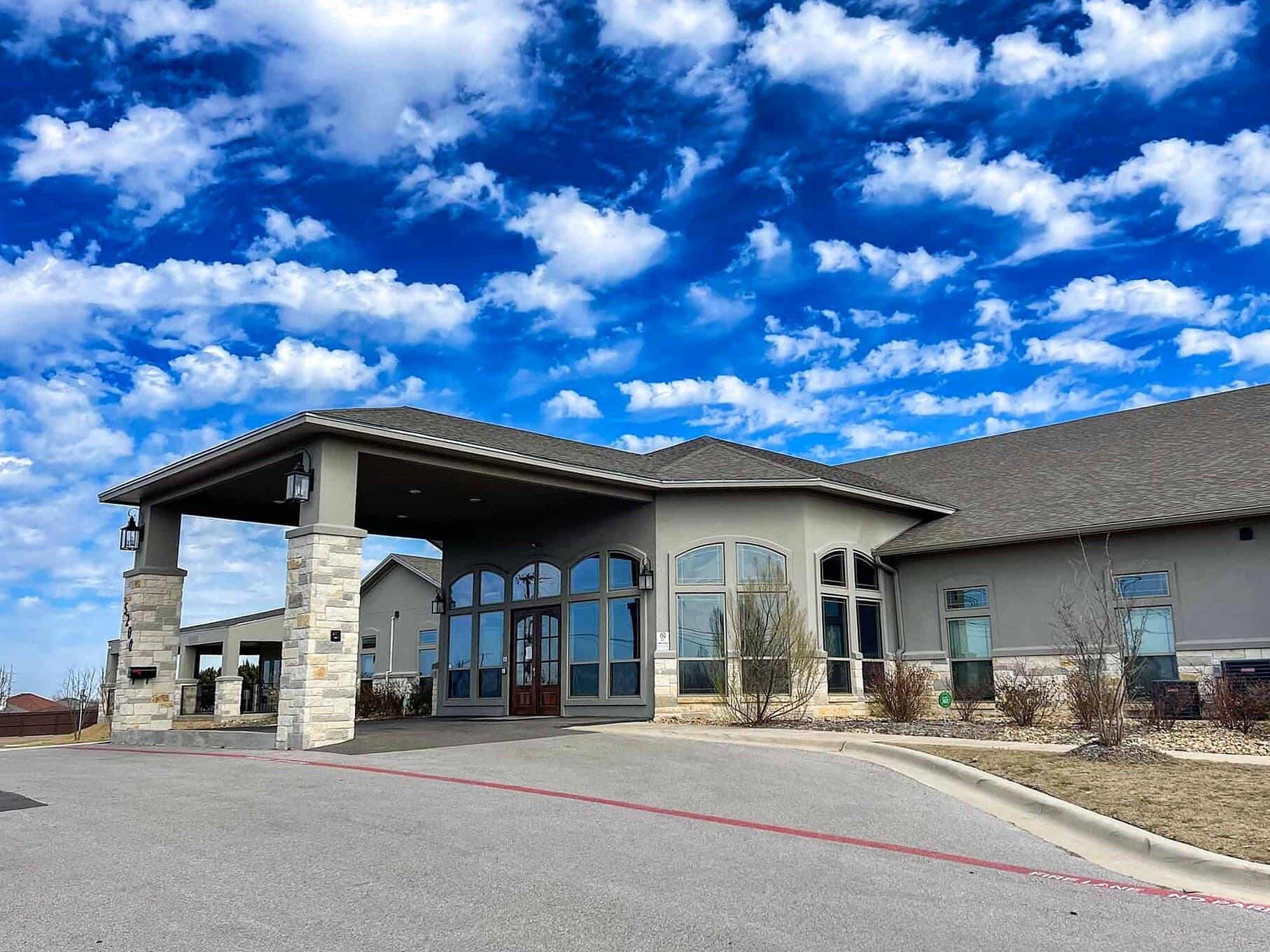
Ambience Recovery Center treats adults from Killeen, Harker Heights, Temple, Belton, Copperas Cove, Waco, and the Austin corridor — including professionals whose cocaine use has outgrown the 'functional' story they've been telling themselves, and families watching someone they love disappear into it.
Admissions are confidential. We'll verify your insurance free of charge, answer TRICARE questions for the Fort Cavazos community, and give you a straight assessment of which level of care fits — often with same-day admission when it's the right clinical fit.