
Medically reviewed by Dr. Rajesh Harripersad, LPC-S, LCDC — U.S. Army Retired; EMDR Certified Behavioral Healthcare Provider. Regional Director, Virtue Recovery and Ambience Recovery Center.
What Crack Is — and Why It Hooks So Fast
Crack is cocaine processed with baking soda into a smokable rock. Chemically it is the same drug as powder cocaine; functionally it is a different addiction. Smoking delivers cocaine to the brain in seconds at high concentration, producing an intense euphoria that burns out within five to ten minutes — and leaves behind an equally intense crash that demands the next hit.
That mechanism — instant reward, near-instant withdrawal of reward — is the most efficient addiction engine pharmacology knows. It's why crack use collapses into binge cycles measured in hours, why casual use rarely stays casual, and why people describe being 'chased by the first hit' from the very first night.
Understanding this matters for one reason: if crack got its hooks into you or someone you love quickly, that isn't weakness — it's the drug working exactly as its chemistry predicts. And it responds to the same structured, evidence-based treatment that works for every stimulant addiction.
Crack vs. Powder Cocaine: What Actually Differs
The differences aren't about the people who use each form — they're about route, speed, and cycle. Here's the honest comparison:
Crack vs. powder cocaine
| Crack cocaine | Powder cocaine | |
|---|---|---|
| Form | Solid 'rock,' smoked | Powder, snorted or dissolved |
| Onset of high | Seconds | 1–5 minutes snorted |
| Duration of high | 5–10 minutes | 15–30 minutes |
| Intensity | Higher — concentrated dose hits at once | Lower per dose |
| Use pattern | Compulsive redosing; binges of many hits | Escalating lines over hours |
| Speed of addiction | Typically develops much faster | Gradual escalation over months |
| Signature health harms | Lung injury ('crack lung'), burns, cardiac strain | Nasal/sinus damage, cardiac strain |
Source: NIDA — Cocaine
Signs of Crack Addiction
Because the binge cycle is so consuming, crack addiction tends to surface faster and more visibly than powder cocaine use:
- Binges lasting hours or days, followed by a hard crash of sleep and depression
- Money vanishing at a pace other explanations can't cover
- Burns or blisters on lips and fingers; a lighter and glass pipe among belongings
- Persistent cough, chest pain, or shortness of breath from smoking
- Extreme weight loss and neglected eating, hygiene, and obligations
- Paranoia, agitation, or hypervigilance during and after binges
- Disappearances — hours or days out of contact, with vague accounts after
What Crack Does to the Body
All cocaine strains the heart — spiking heart rate and blood pressure while narrowing the arteries that feed the heart muscle, which is how cocaine causes chest pain, heart attacks, and strokes even in young users. Crack adds the lungs to the bill: smoking it can scorch airways and trigger 'crack lung,' an acute injury with coughing, black or bloody sputum, chest pain, and breathing trouble that needs medical attention.
There's also what the binge cycle does indirectly: days without food or sleep, untreated infections, and the accumulating damage of life organized around the next hit. Good treatment starts with a genuine medical assessment, because recovery is faster when the body is being repaired alongside the addiction.
One more modern danger: fentanyl has entered the stimulant supply, and roughly 70% of stimulant-involved overdose deaths now also involve it. Anyone smoking crack should keep naloxone (Narcan) nearby — it reverses the fentanyl that may be present.
Crack Withdrawal and the Crash
Crack withdrawal is the cocaine crash amplified. Within hours of a binge ending: crushing exhaustion, oversleeping, ravenous hunger, agitation, vivid unpleasant dreams, and a depression that can turn dangerous — suicidal thoughts during stimulant crashes are a real medical risk, and the reason withdrawal deserves professional monitoring rather than a locked room.
Acute symptoms run several days to a week. Then comes the phase that breaks unsupported quit attempts: weeks of flat, gray mood — anhedonia — punctuated by sudden, powerful cravings wired to cues: a paycheck, a corner, a face, a feeling. This phase is temporary; the brain's reward system heals with sustained abstinence. Structured treatment exists to hold the line while it does.
The crack withdrawal timeline
Hours after last use
The crash
Exhaustion, deep sleep, intense hunger, and a plunging mood as dopamine bottoms out.
Days 1–7
Acute withdrawal
Depression, anxiety, irritability, drug dreams, and waves of craving. Mood is monitored closely in this window.
Weeks 2–4
Stabilizing
Sleep and appetite normalize; energy returns unevenly. Cue-triggered cravings remain the main risk.
Months 2+
Reward system healing
Anhedonia lifts gradually as dopamine function recovers. Structure, accountability, and support carry this stretch.
Source: MedlinePlus — Cocaine withdrawal
Treatment That Works — Delivered With Dignity
There is no FDA-approved medication for cocaine addiction in any form. What the evidence supports — strongly — is behavioral treatment: contingency management, which provides immediate tangible rewards for verified abstinence and shows the best results in the stimulant field; cognitive behavioral therapy for the cues and thoughts that drive the cycle; and the structured daily rhythm of residential care while the brain's reward system heals.
At Ambience, crack addiction is treated through our full continuum — residential treatment, PHP day treatment, and intensive outpatient — with dual-diagnosis care for the depression, trauma, and anxiety that so often sit underneath. And one thing is non-negotiable here: crack carries a stigma no other substance does, and none of it survives our front door. Clients are treated as people in recovery from a ruthless drug — nothing less.
Crack Cocaine Treatment in Central Texas
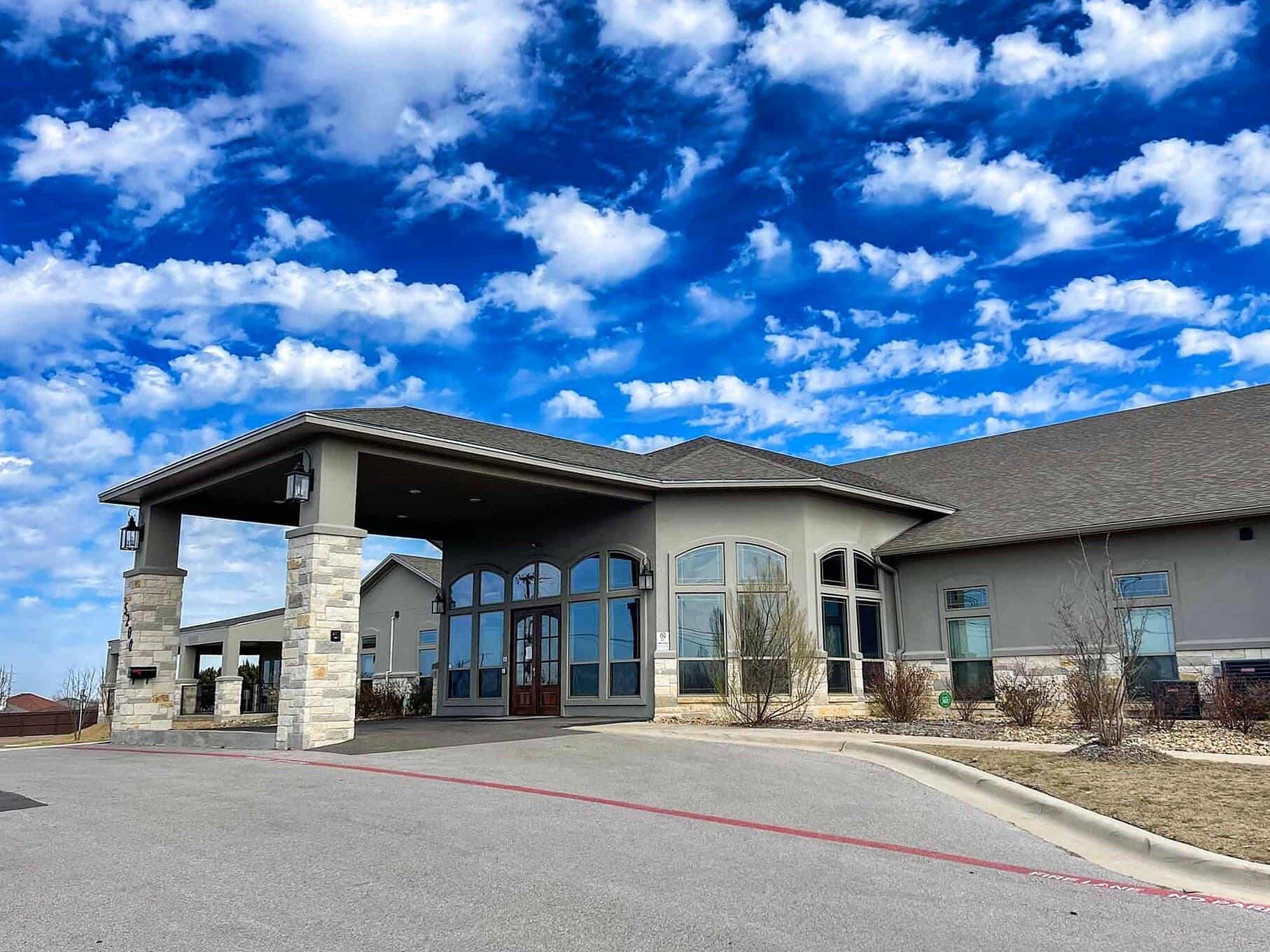
Ambience Recovery Center treats adults from Killeen, Harker Heights, Temple, Belton, Copperas Cove, Waco, and the Austin metro, including the Fort Cavazos military community. Admissions are confidential, insurance verification is free — including TRICARE questions — and same-day admission is often possible when it's the right clinical fit.
If you're reading this for yourself: the binge cycle doesn't break from inside the binge. It breaks when the environment changes. That's what treatment is — a changed environment with medical care, structure, and people who know the way out. One call starts it.