Medically reviewed by Dr. Rajesh Harripersad, LPC-S, LCDC — U.S. Army Retired; EMDR Certified Behavioral Healthcare Provider. Regional Director, Virtue Recovery and Ambience Recovery Center.
What Vyvanse Is: The Stimulant With a Time Lock
Vyvanse (lisdexamfetamine) is a prodrug — a clever piece of engineering born from the Adderall-misuse era. The capsule's contents are inactive until red blood cells clip off an attached amino acid, releasing dextroamphetamine gradually into the bloodstream. Practical result: no rush from snorting or injecting it, a smooth onset over a few hours, and a single dose that works most of the day. It's FDA-approved for ADHD (ages six and up) and — uniquely among all medications — for moderate-to-severe binge-eating disorder in adults.
It is also a Schedule II controlled substance whose label opens with the FDA's boxed warning: a high potential for abuse and misuse that can lead to substance use disorder, overdose, and death. The time-lock changes how the drug can be misused. It does not change what the drug is: amphetamine, with everything that implies.
The 'Safer Stimulant' Myth — What the Studies Actually Showed
Here's the nuance every page about Vyvanse gets wrong in one direction or the other. In the abuse-liability trials, intravenous lisdexamfetamine failed to produce the immediate amphetamine high that people who use stimulants recognize — the prodrug design genuinely works against injection and snorting. But the same research program found that large oral doses did produce significant drug-liking. Swallowed in sufficient quantity, Vyvanse rewards like the amphetamine it is; the time lock delays the payoff, it doesn't cancel it.
Why does this matter clinically? Because the 'can't be abused' reputation is itself a risk factor. People escalate their Vyvanse orally — an extra capsule on a brutal week, a double dose before a deadline — believing the drug's design protects them. It protects them from one route of misuse. Oral escalation, the way virtually all prescription-stimulant addiction actually happens, works exactly as well on Vyvanse as on Adderall.
Who Gets Hooked on Vyvanse
Three groups dominate the Vyvanse-dependence picture, and none of them look like the stereotype. First, the switchers: during the 2022–2024 Adderall shortage, huge numbers of patients were moved to Vyvanse (its first generics arrived in late 2023), and some carried escalation habits into a drug they were told was safer. Second, working adults and students using it as a performance tool — the same population driving the decade's 60% growth in stimulant prescribing. Third, and least visible: binge-eating disorder patients, for whom Vyvanse is the only approved medication — a drug that suppresses both bingeing and appetite, prescribed to people with a complicated relationship to appetite, whose label explicitly warns it is not for weight loss. Misuse for weight control in this group is real, underdiagnosed, and deserving of care that treats both conditions together.
The signs, whatever the doorway:
- Doses beyond the prescription — extra capsules, doubled mornings, 'catch-up' days
- Running out early, refill anxiety, or borrowing from someone else's prescription
- Sleep compressed to a few hours; meals skipped; weight sliding
- Racing heart, jaw tension, or anxiety spikes — and dosing anyway
- Using it to feel capable of ordinary life, not to treat diagnosed symptoms
- In BED treatment: taking extra doses to suppress appetite or 'make up for' eating
The Vyvanse Crash vs. Vyvanse Withdrawal
People search these interchangeably; they're different animals. The crash is the daily comedown: as the released dextroamphetamine clears (its half-life runs roughly 9–11 hours), evening brings fatigue, irritability, and flatness — ordinary pharmacology, worse with escalating doses. Withdrawal is what happens when a dependent brain loses the drug entirely: days of the crash, deepened.
Stimulant withdrawal isn't medically dangerous the way alcohol or benzodiazepine withdrawal is, but the depression it brings can be serious — occasionally including suicidal thoughts — which is the clinical reason heavier use deserves monitored care rather than a white-knuckle week alone.
The Vyvanse withdrawal timeline
24–36 hours
The crash arrives and stays
Deep fatigue, long sleep, big appetite, and a falling mood as the last dose clears.
Days 3–7
Peak
Depression, irritability, vivid dreams, and craving crest. Mood is monitored closely in this window.
Week 2
Turning
Energy and sleep begin to normalize; motivation returns unevenly.
Weeks 3+
Rebuilding
Most symptoms resolve; focus and drive rebuild gradually as the reward system recalibrates.
Source: Clinical literature (psychostimulant withdrawal reviews)
Vyvanse vs. Adderall: The Real Differences
Since so many people have taken both — especially since the shortage-era switching — here's the honest comparison:
Vyvanse vs. Adderall
| Vyvanse (lisdexamfetamine) | Adderall (mixed amphetamine salts) | |
|---|---|---|
| Active drug | Dextroamphetamine, released gradually via prodrug conversion | Mixed amphetamine salts, active on ingestion |
| Onset | Smooth, over 1–4 hours | Faster — under an hour (IR) |
| Duration | Most of the day from one dose | 4–6 hours (IR); longer for XR |
| Snorting/injection payoff | Blunted by design — no rush | Present — a key misuse route |
| Oral misuse risk | Fully intact — escalation rewards like any amphetamine | Fully intact |
| Approved uses | ADHD (6+); binge-eating disorder (adults) — the only approved BED medication | ADHD; narcolepsy |
| DEA schedule / boxed warning | Schedule II; abuse-and-misuse boxed warning | Schedule II; same warning |
How Vyvanse Addiction Is Treated
The evidence base is the same as for all stimulant addiction — and we state the baseline honestly: there is no FDA-approved medication for stimulant use disorder. What works is behavioral treatment with structure behind it: contingency management (the standard of care per the 2024 ASAM/AAAP guideline), cognitive behavioral therapy, and motivational interviewing, delivered across our continuum — residential, PHP day treatment, or intensive outpatient — with monitored support through the withdrawal weeks.
Two populations get dedicated attention here. If you have genuine ADHD, it gets re-assessed and treated in recovery — non-stimulant options and skills-based supports first, with guideline-based paths forward; our Adderall guide covers that clinical roadmap in depth, and it applies fully to Vyvanse. And if binge-eating disorder is part of your story, treatment addresses both conditions together — eating-disorder-informed care alongside stimulant recovery, because treating one while ignoring the other fails both.
Vyvanse Addiction Treatment in Central Texas
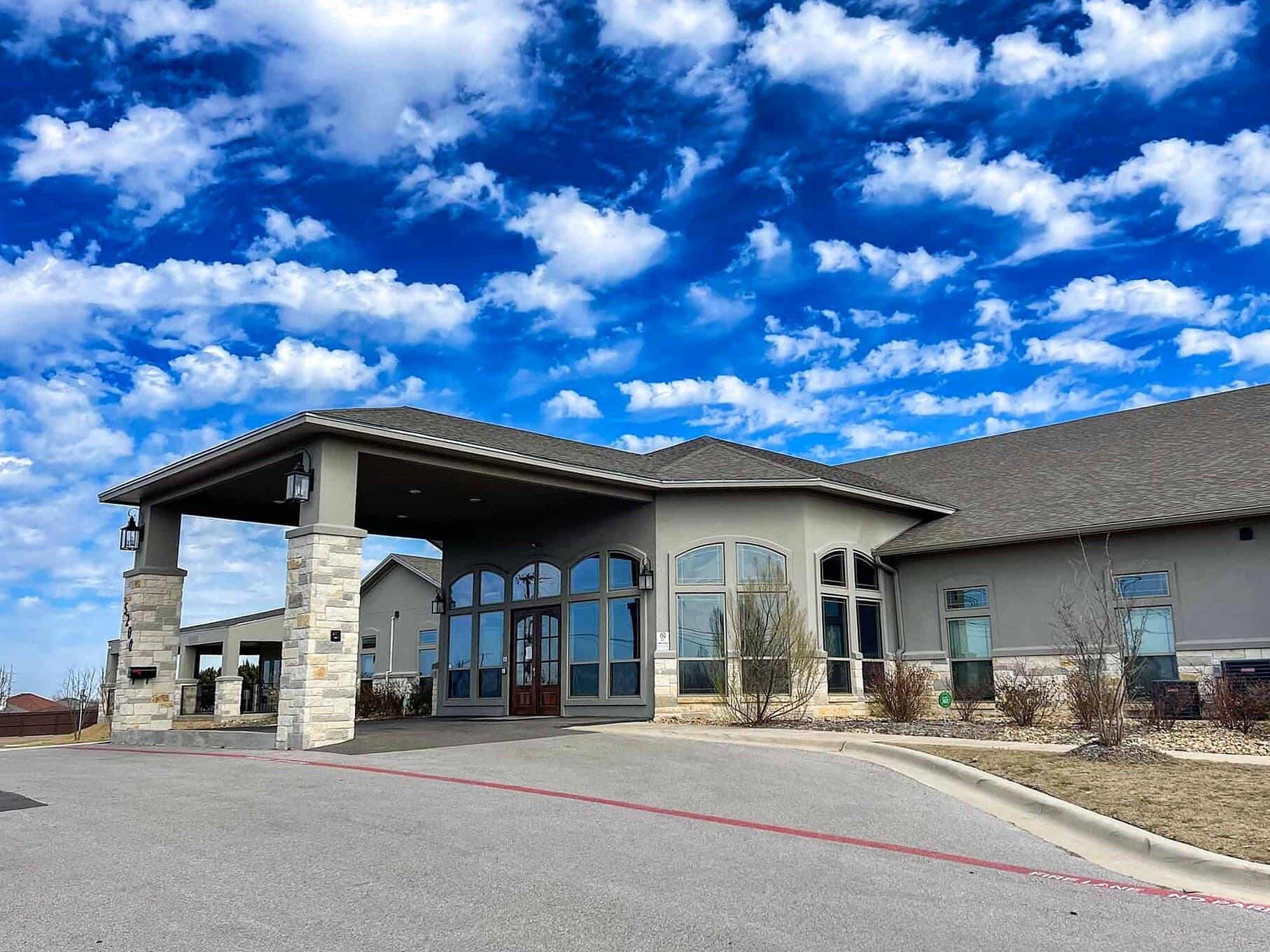
Ambience Recovery Center treats adults across Central Texas — Killeen, Harker Heights, Temple, Belton, Copperas Cove, Waco, and the Austin corridor, including the Fort Cavazos military community and the students and professionals along the I-35 corridor for whom stimulants became a performance tool that took over.
If your Vyvanse use has outgrown its prescription — or the 'safer stimulant' turned out to be neither — one confidential call gets you an honest assessment and free insurance verification, TRICARE questions included, before you decide anything.
Sources & Medical References
- FDA / DailyMed — Vyvanse (lisdexamfetamine dimesylate) prescribing information
- ClinCalc DrugStats — Lisdexamfetamine (MEPS/AHRQ, 2023)
- Jasinski DR, Krishnan S. Abuse liability of intravenous lisdexamfetamine. J Psychopharmacol, 2009
- Jasinski DR, Krishnan S. Human pharmacology of intravenous and oral lisdexamfetamine (drug-liking findings). J Psychopharmacol, 2009
- SAMHSA — National Survey on Drug Use and Health (prescription stimulant misuse)
- ASAM/AAAP — Clinical Practice Guideline on the Management of Stimulant Use Disorder (2024)